Chị Mai Thị Hạnh
Hà Nội

Laminate flooring accessories play a critical role in ensuring a durable, safe, and visually refined flooring installation. Designed to complement laminate flooring systems, these accessories include skirting boards, T-mouldings, end caps, reducers, stair nosings, corner profiles, and expansion joints, all engineered to meet the technical requirements of floating laminate floors. By properly managing expansion gaps, height transitions, and edge protection, laminate accessories help maintain floor stability while enhancing the overall aesthetic quality of the space.
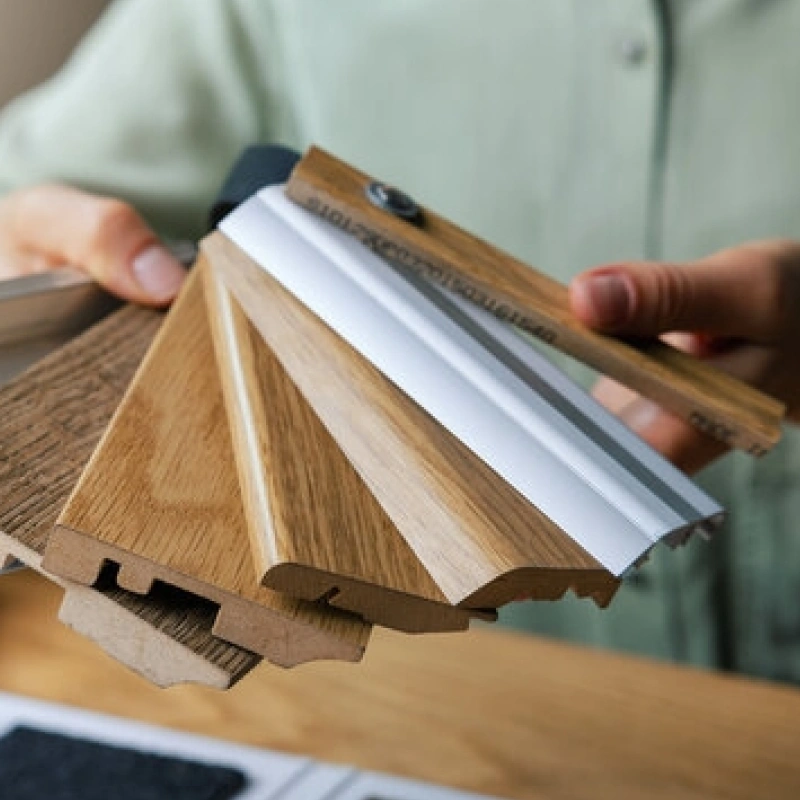
Manufactured from high-quality materials such as aluminum, stainless steel, PVC, and WPC, laminate flooring accessories offer excellent moisture resistance, impact protection, and long-term durability.
They are suitable for both residential and commercial environments, including high-traffic areas.
When used correctly, these accessories not only extend the service life of laminate flooring but also ensure compliance with international installation standards and safety requirements. With coordinated designs and easy installation, laminate flooring accessories are essential components for achieving a professional, seamless, and long-lasting laminate flooring system
 Categories
Features:
Corner trims are finishing profiles with an L-shaped or rounded cross-section, typically manufactured from anodized aluminum, stainless steel 304, or PVC. They are designed for installation at internal and external junctions between SPC flooring and walls, as well as at exposed floor edges. Dimensions are engineered to match common SPC flooring thicknesses from 4 to 8 mm.
Applications:
Corner trims are used to cover mandatory expansion gaps at corner areas while protecting floor edges from mechanical impact during daily use. They also deliver a clean, professional finish, improving the overall visual quality of the installation.
Performance:
These profiles provide excellent moisture resistance and oxidation resistance, making them suitable for humid environments, which is critical for SPC flooring systems. Compared to sealants or silicone joints, corner trims offer higher durability, easier cleaning, and longer service life.
Features:
T-mouldings feature a T-shaped cross-section and are commonly manufactured from aluminum, PVC, or composite materials. They are designed for floating floor installations such as SPC, LVT, and laminate flooring.
Applications:
T-mouldings are installed at transitions between two floor areas of equal height, connecting two SPC floors or SPC with another flooring material of the same thickness, while concealing required expansion joints. They are essential in large flooring areas.
Performance:
T-mouldings allow SPC flooring to expand and contract naturally in response to temperature and humidity changes without causing buckling or deformation. Their flat surface ensures safe and smooth foot traffic.
Features:
End caps and reducers are available in two standard forms:
End caps for horizontal terminations
Reducers for height transitions
The profile design features one side level with the SPC floor and the other side sloping toward a lower adjacent surface.
Applications:
These trims are installed at doorways, balconies, and floor terminations, or where SPC flooring meets tile, carpet, or lower-level flooring. They cover exposed cut edges and provide a safe, smooth transition.
Performance:
End caps and reducers reduce tripping risks, protect floor edges from chipping or damage, and extend the lifespan of the flooring system. They are strongly recommended as mandatory accessories in commercial installations.
Features:
Stair nosing profiles are specialized trims installed at the leading edge of stair treads. They are commonly manufactured from aluminum, PVC, or aluminum with anti-slip rubber inserts, and are available in square or rounded designs.
Applications:
Stair nosings protect the front edge of stairs finished with SPC flooring and create a seamless transition between tread and riser. They are essential when SPC flooring is applied on staircases.
Performance:
Stair nosings enhance slip resistance, reduce accident risks, and comply with international safety standards such as ADA and EN. Their high wear resistance makes them suitable for high-traffic environments.
Features:
Skirting boards are linear profiles installed along wall bases, manufactured from PVC, WPC, aluminum, or stainless steel. Typical heights range from 60 to 120 mm, with designs coordinated to match SPC flooring.
Applications:
Skirting boards conceal the mandatory expansion gap between floor and wall in click-lock SPC systems. They also protect wall bases from impact, moisture, and dirt.
Performance:
SPC skirting systems are 100% water-resistant, easy to remove for maintenance, and more durable than traditional wooden skirting boards.
Features:
Decorative stainless steel inserts are slim profiles with T-, U-, or L-shaped cross-sections, manufactured from stainless steel 304 or 316. They can be flush-mounted or surface-mounted.
Applications:
These profiles are used to create visual accents, separate SPC flooring from other materials, or form technical reveal lines on floors and walls. They are widely specified in commercial and high-end architectural projects.
Performance:
Stainless steel offers excellent corrosion and abrasion resistance and does not rust in humid environments. Compared to other decorative materials, it provides superior durability, color stability, and easy maintenance.
Features:
H-profiles feature an H-shaped cross-section and are manufactured from aluminum or aluminum alloys. Their symmetrical structure secures two floor edges of equal height.
Applications:
H-profiles are used in large SPC flooring installations or areas requiring technical movement joints to manage expansion.
Performance:
These profiles reduce the risk of floor buckling, joint cracking, or thermal movement damage. Their removable design allows easy maintenance or future floor replacement.
Features:
LED channels are aluminum profiles with integrated grooves designed to house LED strips. They are supplied with diffusers for uniform light distribution.
Applications:
Installed beneath skirting boards, along stair edges, or at floor perimeters, LED channels provide pathway lighting, stair illumination, and decorative lighting effects. Commonly used in hotels, commercial buildings, and high-end residences.
Performance:
The aluminum profile acts as an efficient heat sink, extending LED lifespan. Indirect lighting improves nighttime safety and enhances the architectural value of the space.
Features:
Inside corner profiles are designed for internal (concave) corners between floor-to-wall or wall-to-wall junctions. They typically feature a gently rounded shape to eliminate sharp edges.
Applications:
These profiles finish internal corners, conceal technical gaps, and create smooth, continuous surfaces while preventing dust and moisture accumulation.
Performance:
Compared to sealants, inside corner profiles offer greater durability, do not peel or crack over time, and are easier to clean, making them ideal for areas with high hygiene requirements.
Features:
Outside corner profiles protect exposed 90-degree external corners and are typically manufactured from aluminum or stainless steel.
Applications:
They protect vulnerable edges from impact and chipping, especially in corridors, shopping centers, and public buildings.
Performance:
These profiles provide high impact resistance, extend the lifespan of floor and wall edges, and contribute to a consistent, professional finish.
Features:
Flush T-mouldings are a recessed version of standard T-mouldings, installed so the profile sits nearly level with the SPC floor surface. They are typically made from aluminum or aluminum alloys.
Applications:
Used to connect two SPC flooring areas of equal height in projects requiring a minimalist design and uninterrupted floor surface.
Performance:
The flush design allows easy movement of carts, wheelchairs, and goods, making it ideal for commercial, office, and hospitality environments.
Features:
Stair tread panels are SPC, WPC, or composite boards specifically engineered for stair applications. They may include integrated stair nosing or anti-slip grooves.
Applications:
These panels fully cover stair treads, ensuring material and visual consistency between staircases and SPC flooring throughout the space.
Performance:
Stair tread panels offer water resistance, slip resistance, and high abrasion resistance. The use of single-piece panels reduces joints, improves durability, and enhances overall safety.

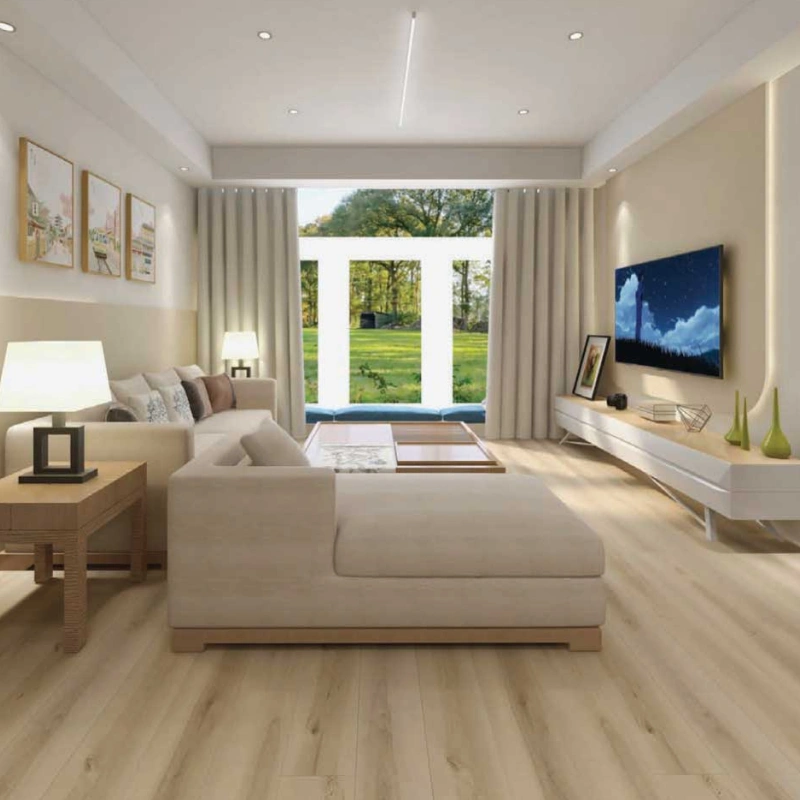
Bedroom
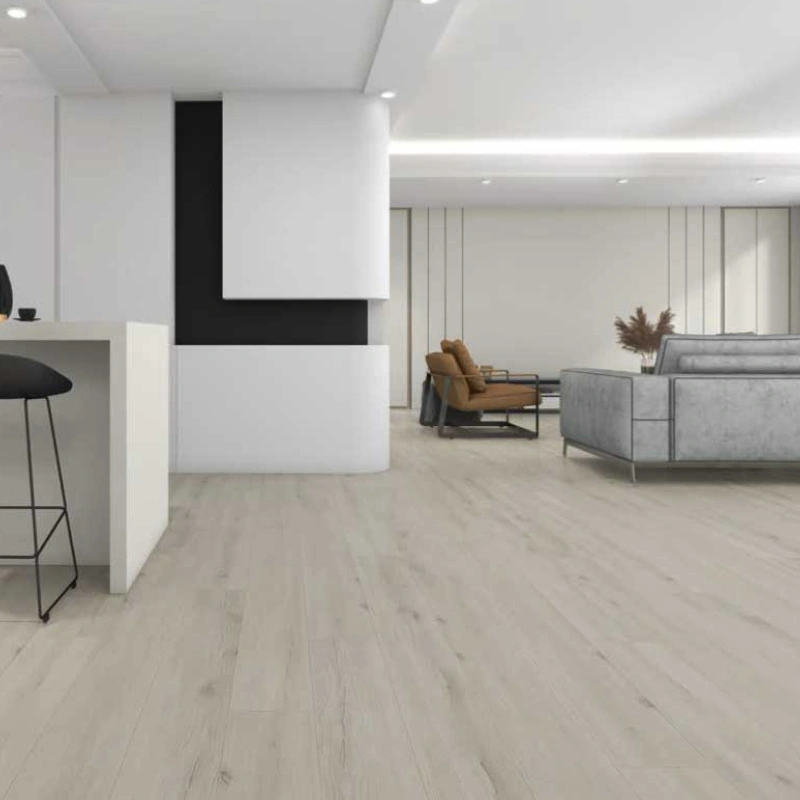
Kitchen
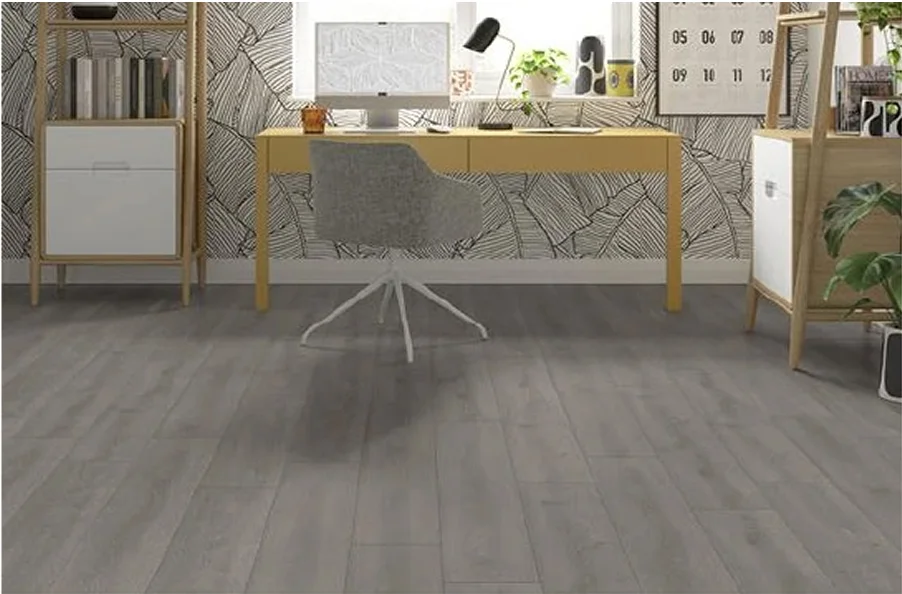
Living Room
Office

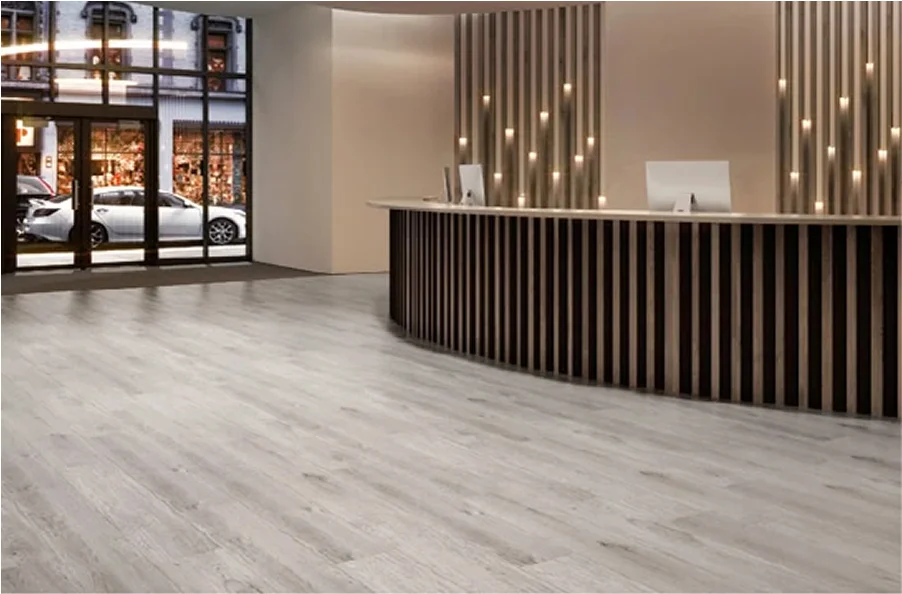
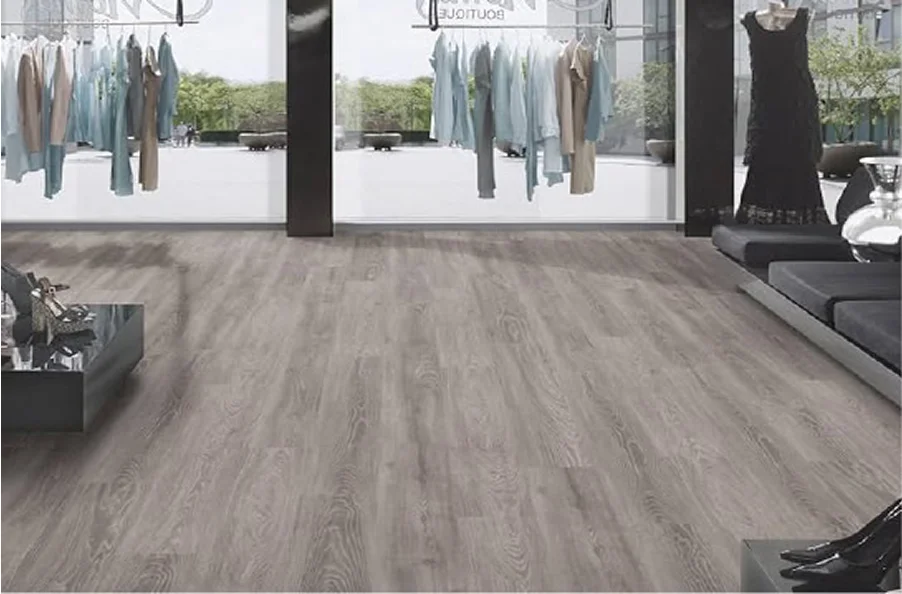
Shop
Hotel

Professional SPC Flooring Installation Guide: Standard Technical Procedures
Yes, it is 100% waterproof. Unlike laminate, which swells when wet, SPC's rigid core is moisture-proof. This makes it perfect for kitchens, bathrooms, and basements.
Yes, it is 100% waterproof. Unlike laminate, which swells when wet, SPC's rigid core is moisture-proof. This makes it perfect for kitchens, bathrooms, and basements.
Yes, it is 100% waterproof. Unlike laminate, which swells when wet, SPC's rigid core is moisture-proof. This makes it perfect for kitchens, bathrooms, and basements.
Yes, it is 100% waterproof. Unlike laminate, which swells when wet, SPC's rigid core is moisture-proof. This makes it perfect for kitchens, bathrooms, and basements.
Yes, it is 100% waterproof. Unlike laminate, which swells when wet, SPC's rigid core is moisture-proof. This makes it perfect for kitchens, bathrooms, and basements.
Chị Mai Thị Hạnh
Hà Nội
Anh Trần Đình Nam
Hồ Chí Minh

 EN
EN