
Chị Mai Thị Hạnh
Hà Nội

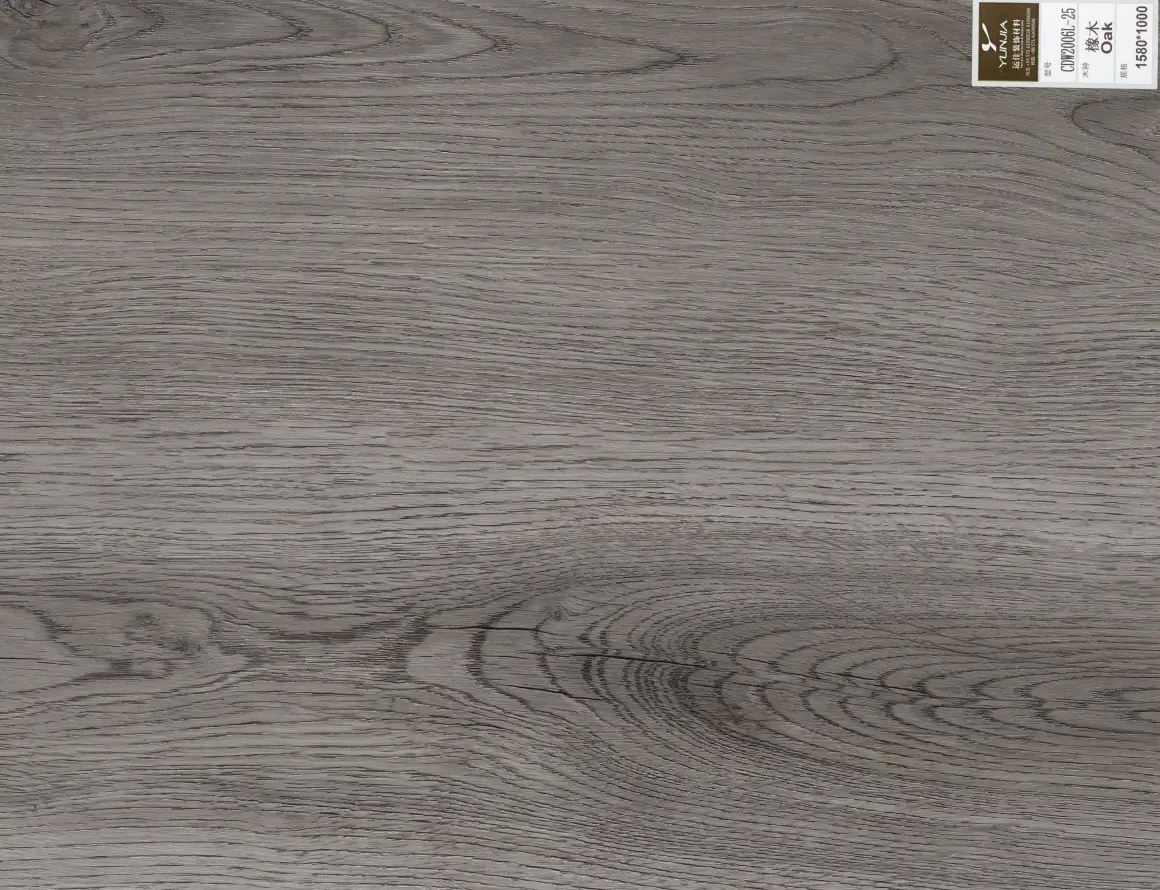
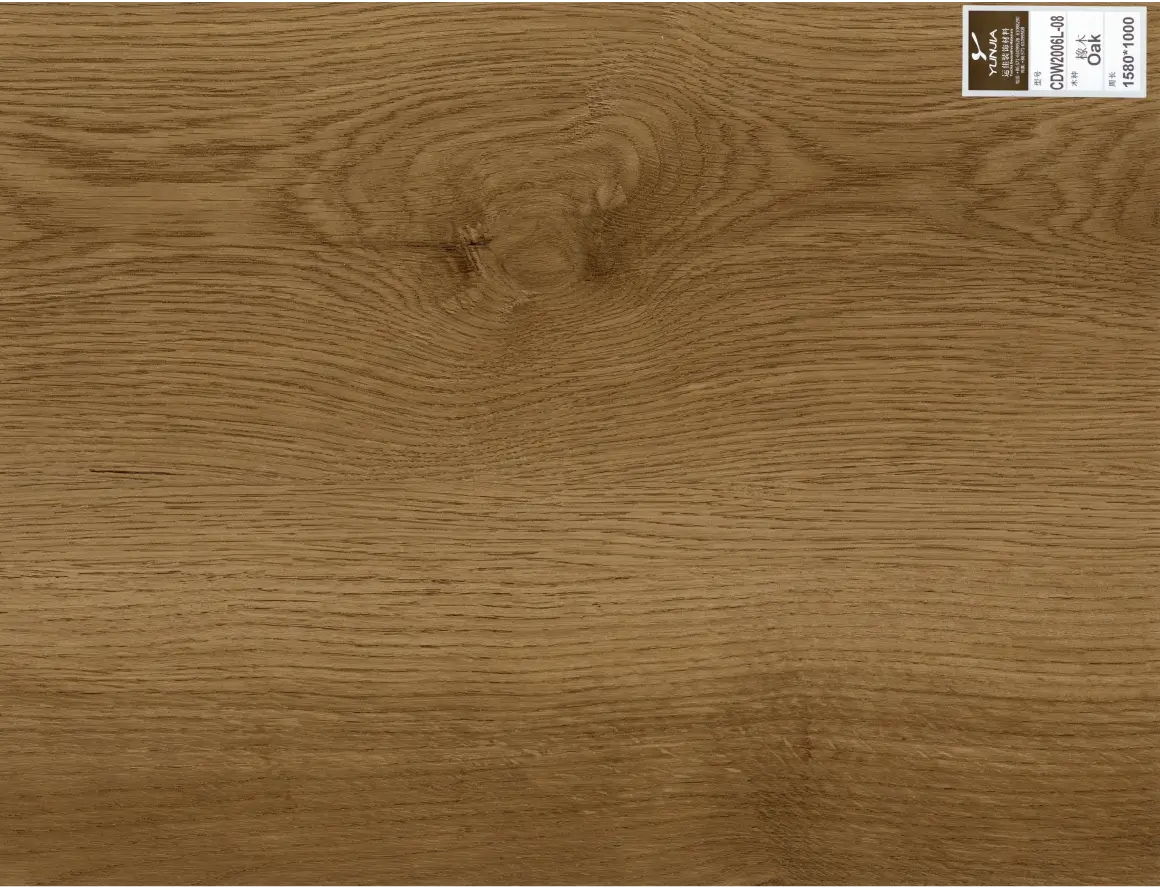
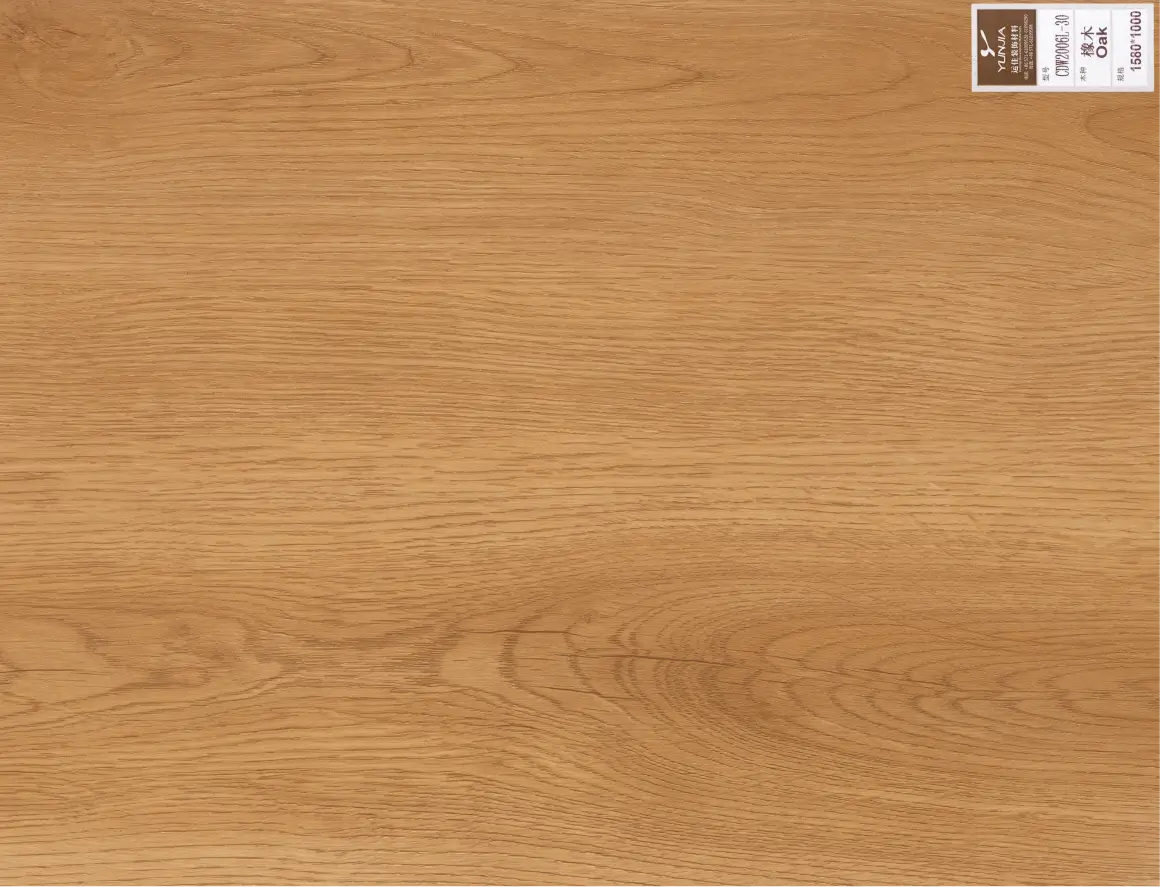
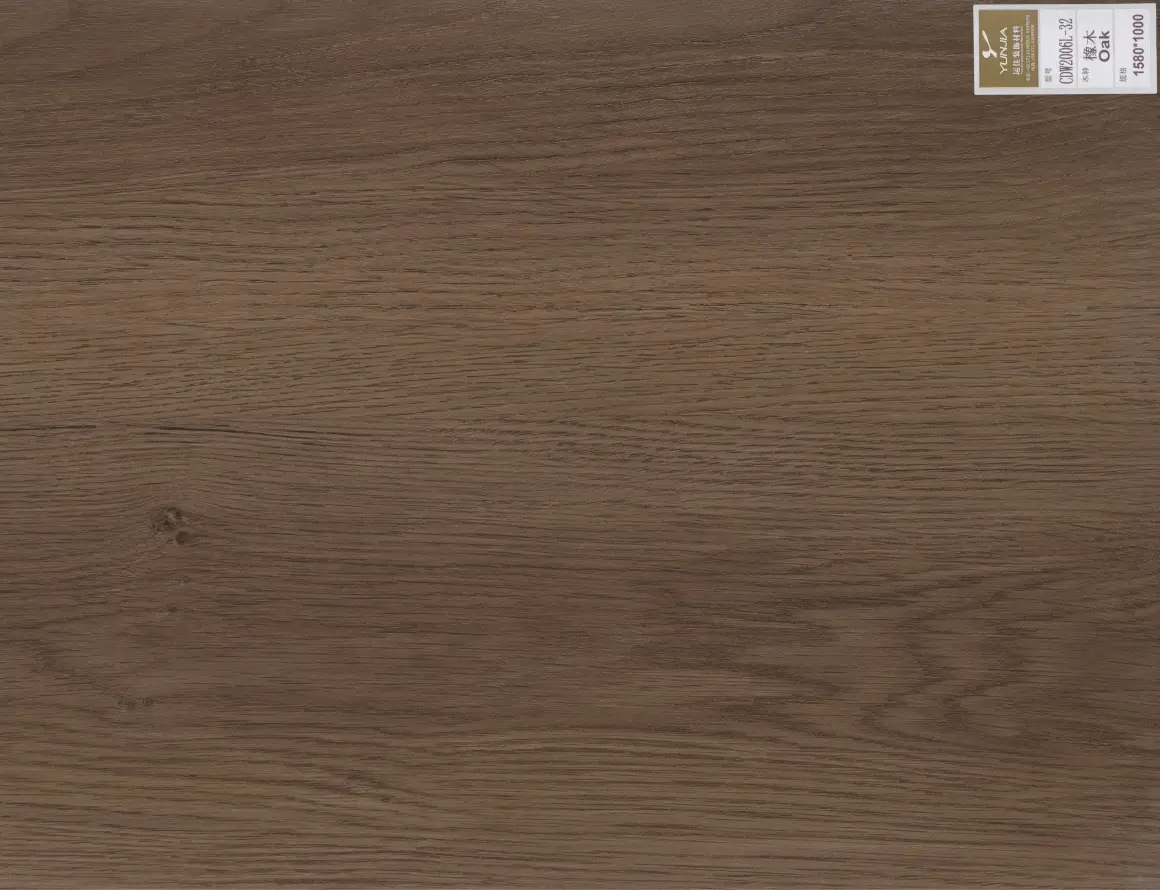
Laminate flooring is a multi-layer synthetic flooring product that replicates the appearance of hardwood, stone, or tile through high-resolution digital printing technology.
The fundamental composition consists predominantly of wood-derived materials (approximately 90% wood content), making it both sustainable and environmentally responsible.
The primary substrate is high-density fiberboard (HDF), engineered from refined wood fibers bonded under extreme heat and pressure with melamine resin.
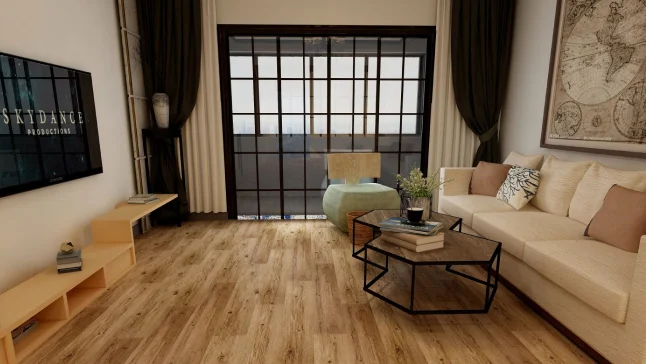
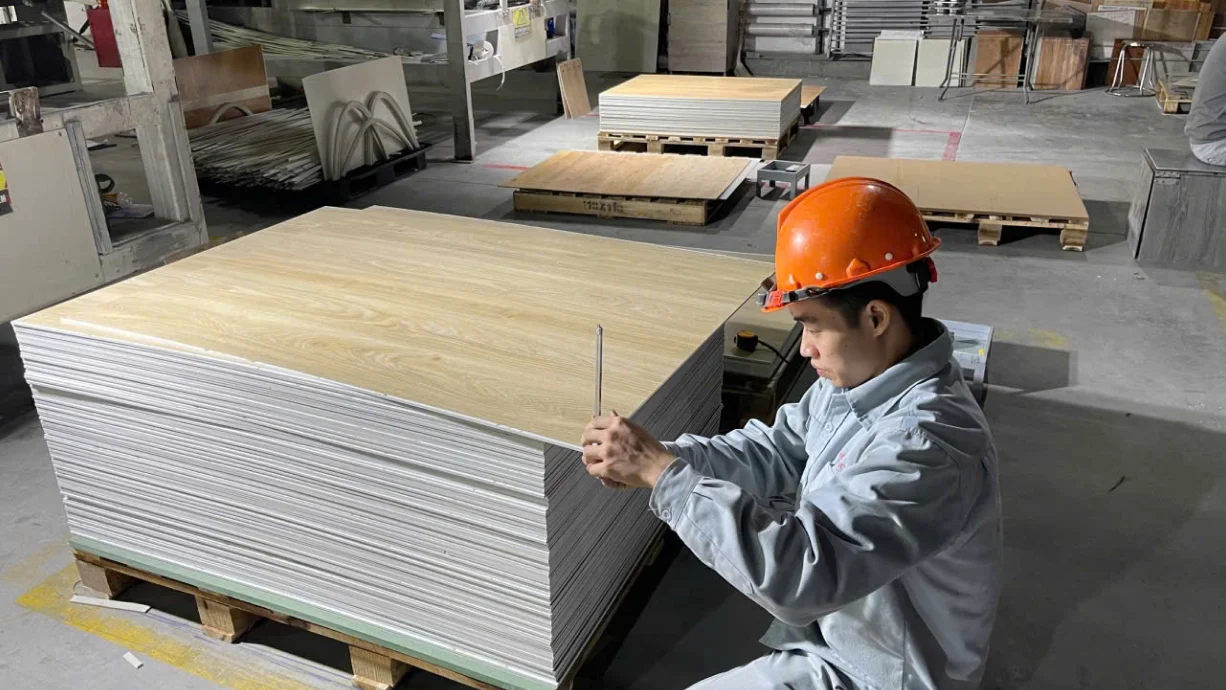
Laminate flooring features a sophisticated four-layer engineered structure:
Transparent protective overlay composed of melamine resin infused with aluminum oxide particles, providing scratch, stain, and abrasion resistance. Thickness and hardness determine the AC rating, with aluminum oxide concentrations directly correlating to durability.
High-definition photographic paper printed with water-based low-VOC inks, digitally reproducing realistic wood grain, stone, marble, or abstract patterns. Advanced printing technology captures intricate grain details, knots, and color variations.
High-density fiberboard substrate providing structural integrity, dimensional stability, and impact resistance. Constructed from wood fibers (typically softwood) compressed with wax and resin binders under heat and pressure.
Bottom stabilizing layer providing moisture resistance and preventing warping or cupping. Some products incorporate integrated underlayment (foam or cork) for sound dampening and comfort.
 Categories
Aluminum oxide–reinforced wear layer protects against:
Furniture movement
Pet claws
High foot traffic
AC4–AC5 rated products withstand 4,000–6,000+ Taber abrasion cycles before visible wear
Dense HDF core resists dents from dropped objects and heavy furniture
Premium laminates achieve residual indentation ≤ 0.05 mm
(EN ISO 24343-1 standard)
HDF construction minimizes expansion and contraction caused by temperature and humidity changes
Dimensional variation ≤ 0.9 mm after humidity cycling
(EN 13329 requirement)
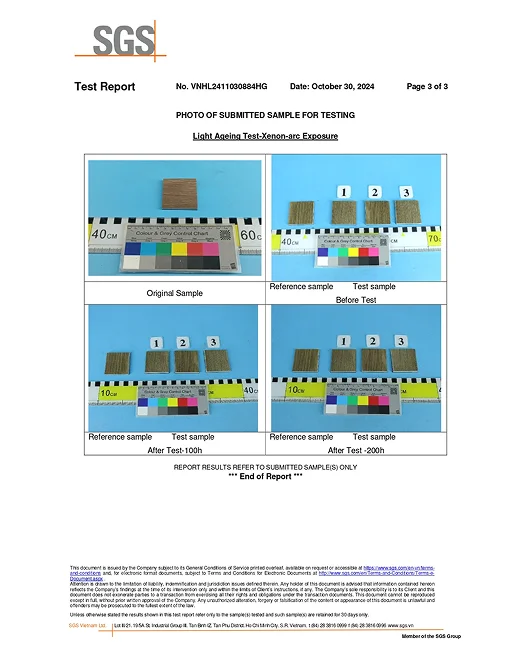
UV-stabilized surface coating protects against sunlight exposure
Achieves Class 8 rating on the Blue Wool Scale
(EN ISO 105 B02)
Standard laminate is moisture-resistant, not waterproof
Advanced collections feature:
Water-repellent surface treatments
Sealed edges and locking systems
Waterproof warranties up to 15 years
Notable technologies:
Pergo – WetProtect
Quick-Step – HydroSeal
Shaw – Repel
Non-porous melamine surface repels dirt and inhibits bacterial growth
Routine care requires only sweeping and damp mopping
Laminate flooring costs 40–70% less than natural hardwood
Delivers comparable aesthetics with superior scratch resistance
(Illustration displayed alongside)
(Illustration displayed alongside)
Wood fibers (softwood): 60–80%
Melamine resin binder: 10–20%
Wax (moisture resistance): 5–10%
Stabilizers and additives: 2–5%
Standard HDF: 850–900 kg/m³
Premium HDF: 900–1,000 kg/m³
Comparison:
HDF is significantly denser than MDF, resulting in higher strength and improved moisture resistance.
Thickness swelling after 24-hour water immersion: ≤ 12–18%
(ISO 24336)
Premium laminates achieve ≤ 12%, exceeding minimum standards
Narrow planks: 100–127 mm (4–5″) – Ideal for small spaces
Standard planks: 127–180 mm (5–7″) – Most versatile
Wide planks: 180–230 mm (7–9″) – Trending for 2026
Extra-wide planks: 230–305 mm (9–12″) – Premium installations
Short planks: 914 mm (36″)
Standard planks: 1,200–1,220 mm – Most common
Long planks: 1,500–2,134 mm – Fewer seams, modern aesthetic
Random lengths: Mixed sizes per box for natural wood appearance
Square: 305 × 305 mm (12″ × 12″)
Rectangular: 305 × 610 mm (12″ × 24″)
Large format: 406 × 813 mm (16″ × 32″) or larger
Minimum plank length at row start/end: 200–300 mm
Minimum last-row width: 50 mm
(75–127 mm recommended)
Seamless surface with no bevel
Clean, modern appearance
Easiest to clean but highlights subfloor imperfections
Subtle bevel depth: 0.5–1 mm
Slight plank definition
Forgiving during installation
45° cut, depth 1–2 mm
Most authentic hardwood appearance
Masks subfloor imperfections and micro-gaps
Most popular edge profile for residential and commercial use
Bevel depth 2–3 mm
Rustic, farmhouse, hand-crafted aesthetic
Formed by compression rather than cutting
More natural groove variation
Improved moisture protection along edges
Smooth, rounded transition between planks
Refined and contemporary appearance
Traditional / Rustic: Standard or deep bevel
Modern / Minimalist: Square or micro-bevel
Uneven subfloors: Beveled edges recommended
High-traffic areas: Beveled edges perform better long-term

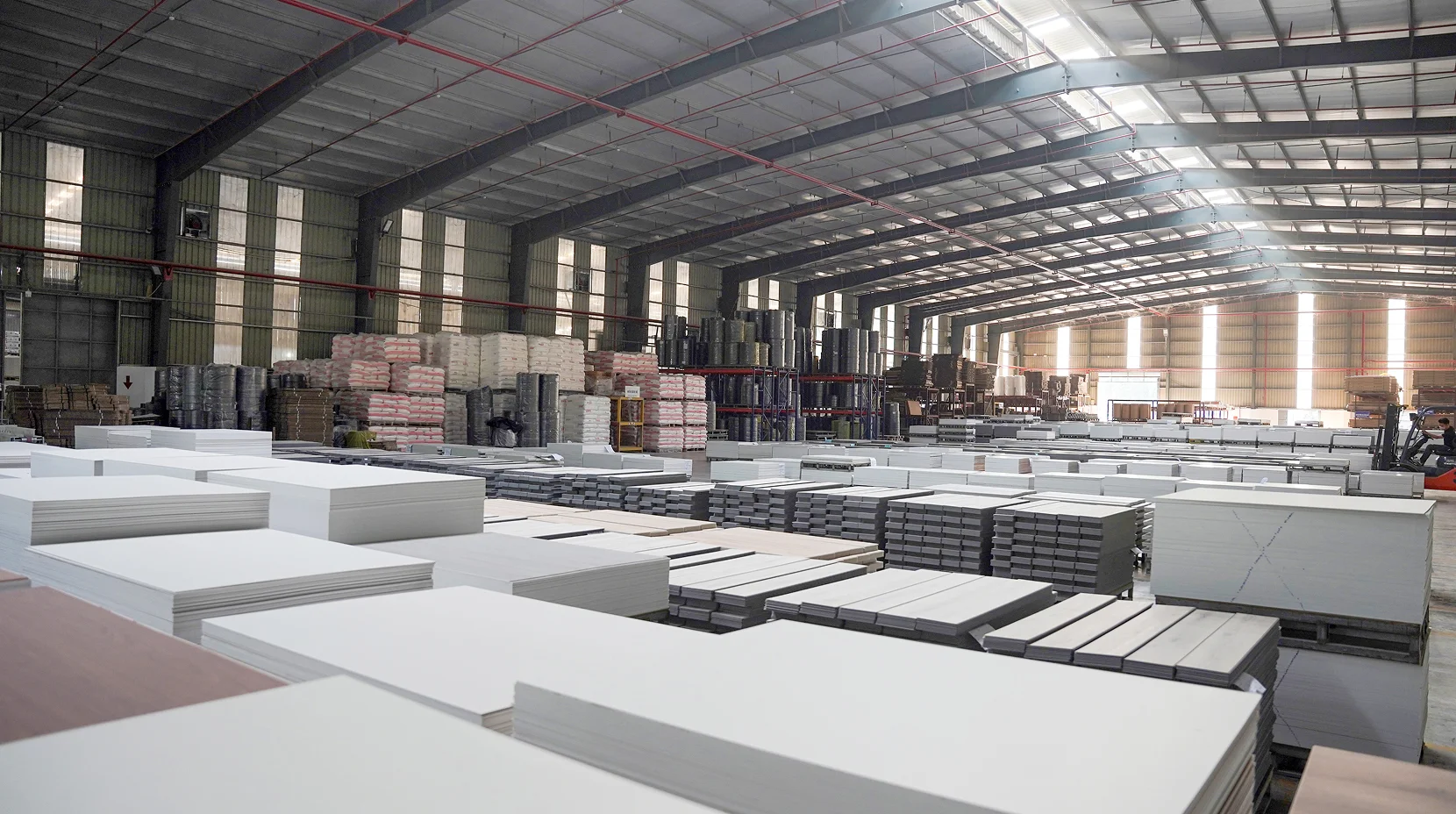
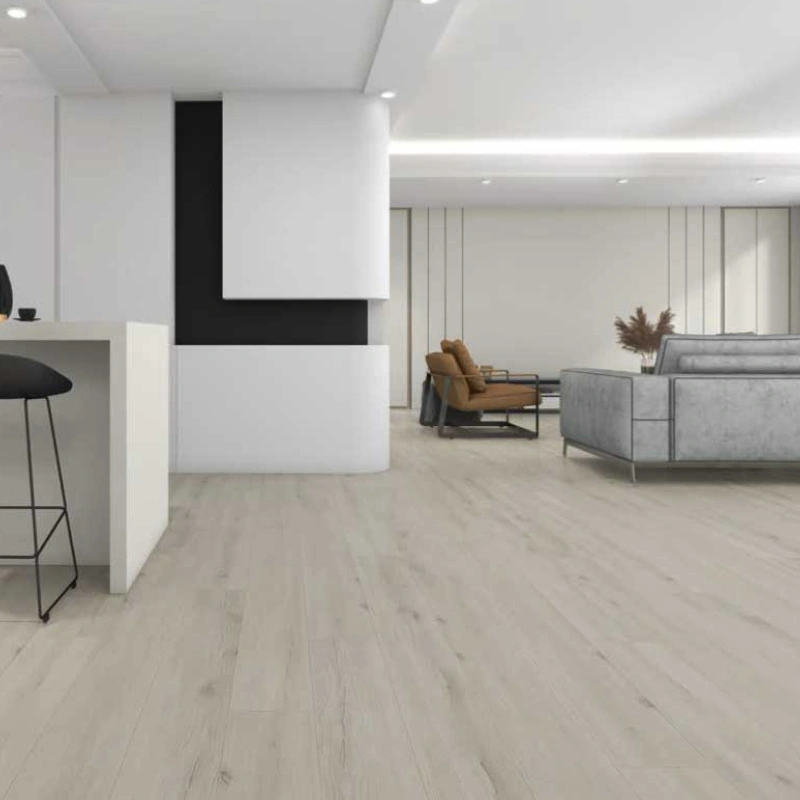
Kitchen
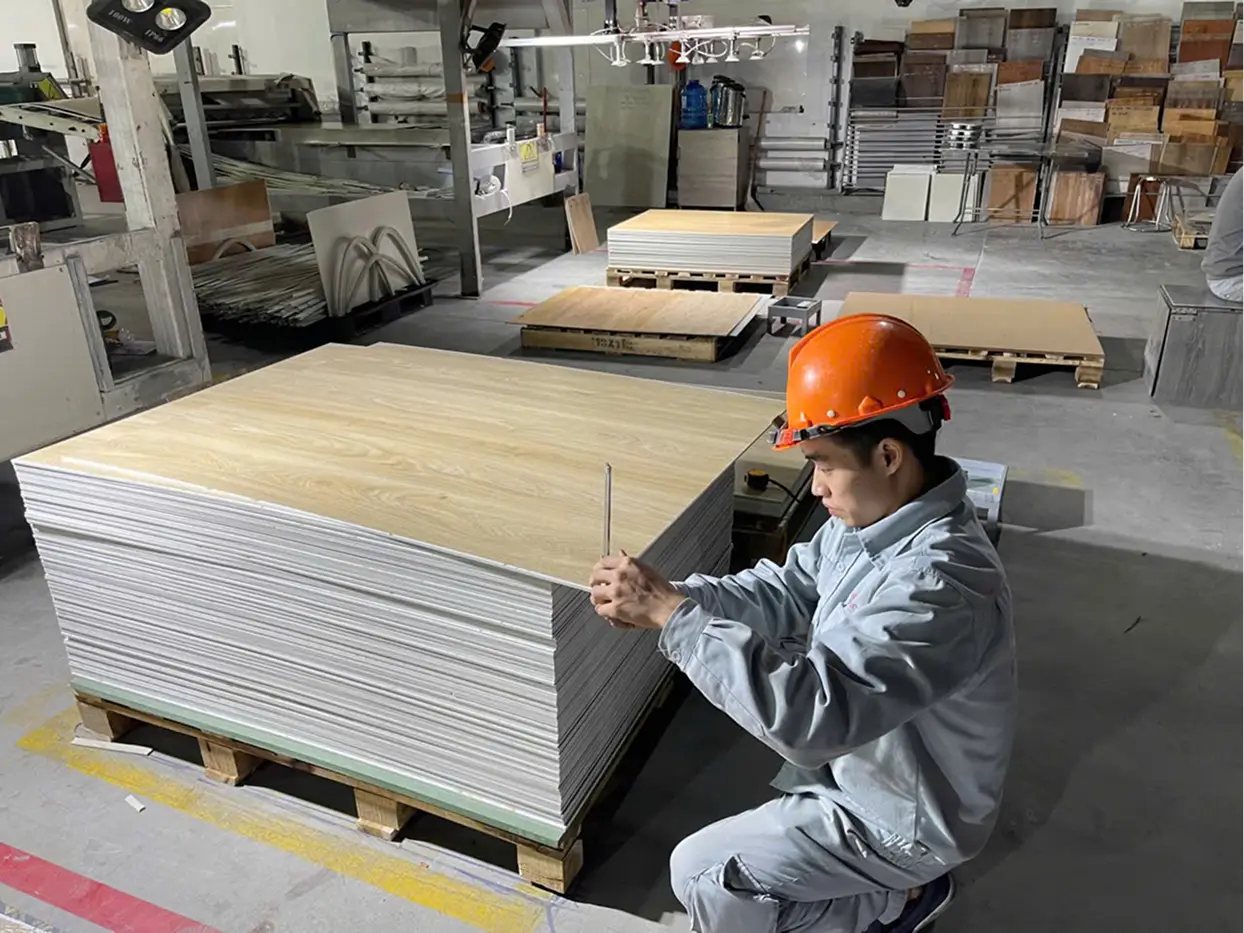
Office

Shop
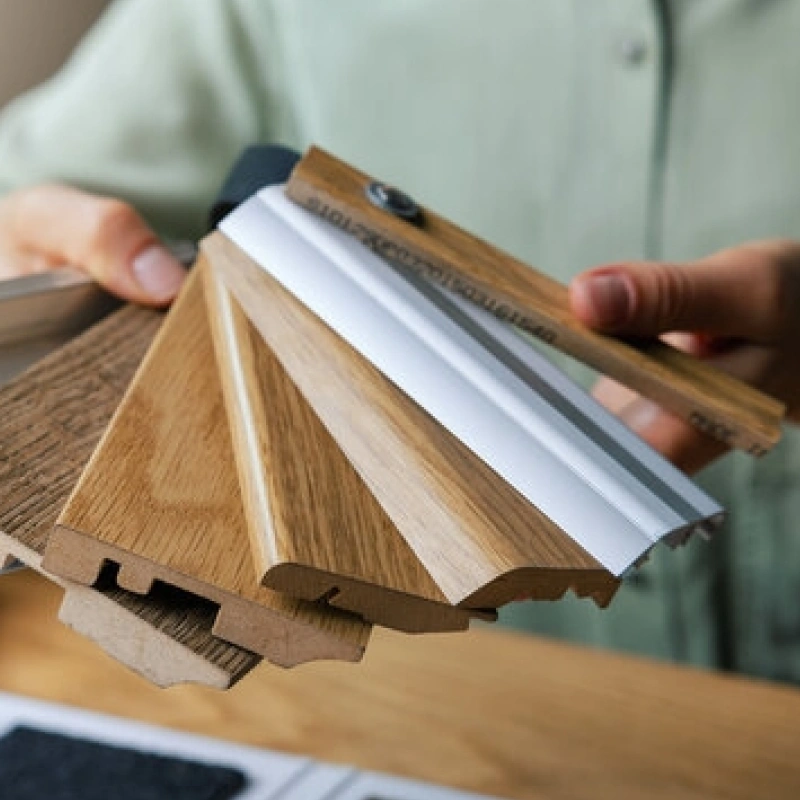
Hotel
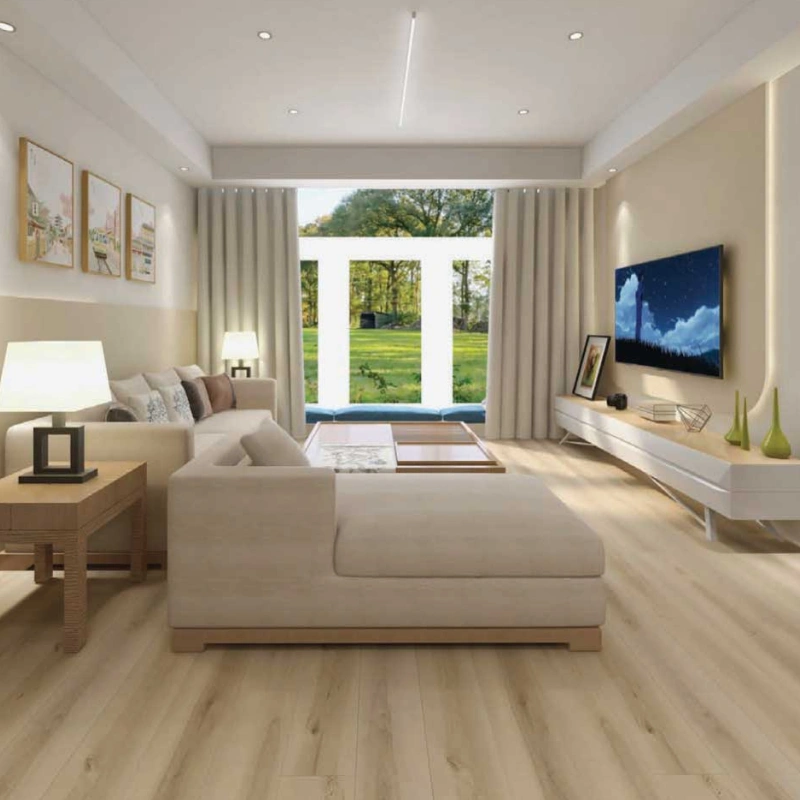
Living Room
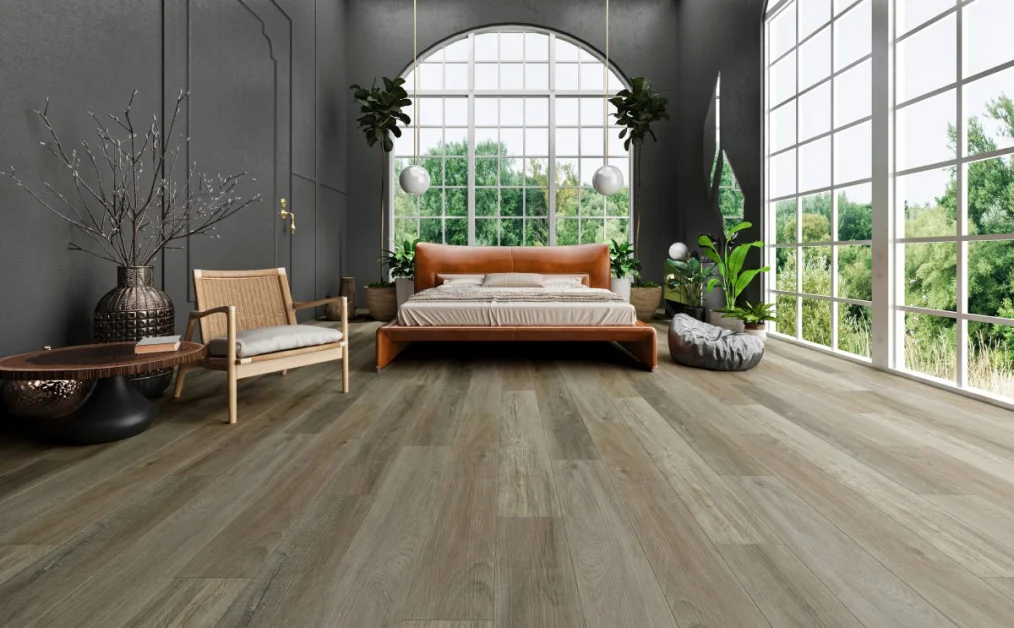
Bedroom

Professional SPC Flooring Installation Guide: Standard Technical Procedures
Yes, it is 100% waterproof. Unlike laminate, which swells when wet, SPC's rigid core is moisture-proof. This makes it perfect for kitchens, bathrooms, and basements.
Yes, it is 100% waterproof. Unlike laminate, which swells when wet, SPC's rigid core is moisture-proof. This makes it perfect for kitchens, bathrooms, and basements.
Yes, it is 100% waterproof. Unlike laminate, which swells when wet, SPC's rigid core is moisture-proof. This makes it perfect for kitchens, bathrooms, and basements.
Yes, it is 100% waterproof. Unlike laminate, which swells when wet, SPC's rigid core is moisture-proof. This makes it perfect for kitchens, bathrooms, and basements.
Yes, it is 100% waterproof. Unlike laminate, which swells when wet, SPC's rigid core is moisture-proof. This makes it perfect for kitchens, bathrooms, and basements.
Chị Mai Thị Hạnh
Hà Nội
Anh Trần Đình Nam
Hồ Chí Minh

 EN
EN